
How often do you use Google search?
A study I found put users into three main groups:
–Light users (1-20 searches per month) rarely turn to Google, only occasionally
–Moderate users (21-100 searches per month): significant portion of population falls into this category, using Google regularly but not obsessively
–Heavy users (101-1,000+ searches per month): this group includes digital marketers, researchers, and tech-savvy individuals who rely heavily on Google
How often are you on your smartphone? Gen Z averages 4 hours on smartphones, baby boomers just over 2 hours,
Wow – nearly half of Americans say they are “addicted” to their cell phones, according to 2026 Cell Phone Usage Stats from Reviews.org. And, catch this, by the company’s count, Americans check their phones 186 times a day.
A ray of hope? They said the 2025 stats are a 9% drop from how many times phones were checked in the average day the previous year.
Just to nail it a bit more: they said within 10 minutes of waking up, the vast majority of the U.S. adults (85%) have the small device in hand and 75% of them would be uncomfortable leaving home without it.
It’s hard to tell how much of that usage is people searching for answers to problems, questions, and general “help” type of categories. And “yep” I used search for the above data!
And then there are the “ads” with which we are bombarded on TV, radio, searching or viewing on our phones. How influential are they? We may be unaware of how much.
Recently, as we went to a car repair place for a major item issue, the owner/operator explained why he no longer accepted certain known brands of extended car warranties – the big ones advertised on TV. In fact, he opined that the only reliable ones were dealership-related. He had negative experience with the big advertisers to back this up.
Disillusioned yet? You probably were already tuned into these issues more than I was.
But this all sent me back to a training my Peacemaker Ministries mentor did (and she included me) at a local seminary. Attendees included the seminary president, staff, professors and top leaders, a group of about 12-15. Prior to the peacemaking training, my mentor had called each of them individually to get a response to her question.
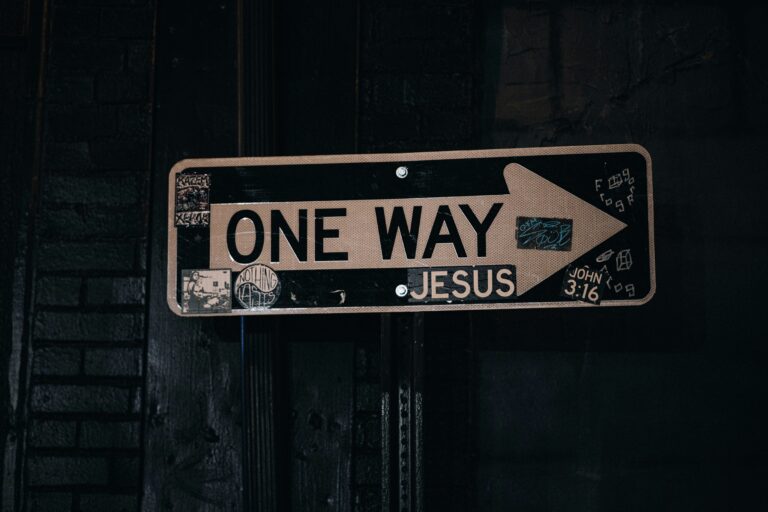
She asked each one “to whom do you go when you are faced with a major problem or situation?” Not one mentioned the Lord or Scripture. Their answers? Lawyers (by name), head people at the seminary, friends, and specific individuals who were experienced in the area at issue. Oh, she had a field day with this response info as she taught scriptural peacemaking to them.
Okay, this was around 1996 – involvement with cell phones or internet was pretty rare.
But the problem remained the same. And perhaps was even a bit more visible. And what was that? I go to my trusty devotional author, Henry Blackaby, who brought me up short on this. Here is his reminder which I definitely needed.
He says if you are a Christian, you are a priest, chosen by God. As a member of the royal priesthood you have constant access to the King. If there is ever a need in your life, you don’t have to find an intermediary or enlist another priest in order to gain a hearing from the King. Your position as a royal priest allows you direct access.
Quoting 1 Peter 2:9, he shares: “But you are a chosen race, a royal priesthood, a holy nation, a people for His possession, so that you may proclaim the praises of the One who called you out of darkness.” He says priests have a function. The priest represents God to the people, but he also takes the people’s concerns to God.
Don’t know about you but this makes me so-o-o-o uncomfortable. I don’t feel at all like a priest – and I am not sure I want people to look at me as some sort of “priest”. Another commentary I consulted made more sense, but I am still rather uncomfortable. It said this verse speaks to the identity and purpose of believers. Essentially, what it means to be called by God.
I understand Peter was trying to encourage and remind the early Christians who were facing persecution with their true identity in Christ. And that we are not alone in our walk of faith but belong to a larger family that God has chosen – one which brings both privilege and responsibility. I know this in my head, but have I embraced it as part of my role as a Christian?
The plain truth is that we, as believers, have direct access to God and we are called to serve Him. While I know and believe that – the next step in this is still hard. Every Christian has a role in bridging the gap between God and humanity through prayer and ministry.
Blackaby gets even more specific. “Our world hungers for an expression of Christ as He really is, living out His life through His people. It is dangerous to put our job above our calling by God. We are called to be priests first, and to hold a job second. When we get these out of order, everyone around us is denied access to the Father through us.”
This is very sobering. I know I give the worldly work, situations, and activities far too much importance when Blackaby points this out – but I had not thought of the consequences. And frankly, the disobedience of my doing that. Maybe you are in the same boat with me, but I hope sharing this has helped you as much as it has me. And my focus. Daily.
Blackaby sums it up, and I am listening – “God may have called you into a secular job as a vocation, but more importantly He has appointed you to be one of His royal priests.”
As I viewed the news yesterday about Minneapolis protestors bursting into a church service last Sunday, and how the shouting and words and disruption went, I wondered. How would I handle such? What is the Priest function in that situation? I need to go to my King, and His scripture, more deliberately and regularly with that purpose in mind. I believe I also need to trust my King more completely knowing that He is present and active in my life – no cell phone needed.