Maybe because I grew up on a cotton farm in West Texas in the late 50’s, early 60’s, that this piece so resonated with me that I could not help but share it with you.
This was a guest post by Janet Newberry, the Founder of John 15 Academy whose goal is to restore the lost art of being a family. The permission to share came with the intro that Janet has a deep understanding of grace and her creative communication shares it well. I know you’ll be blessed by her words this week. Thank you, Janet, for sharing a piece of your story with us via Sue Tell’s Echoes of Grace blog.
Title: The Soil of our Souls
“Fourteen years ago, I found my mom after an overdose.
She died weeks later in the ICU. The death certificate read liver failure, but the deeper story is more complex—and more tender—than that. My mom’s soil was depleted long before I was born. She spent her whole life trying to produce from ground that had never known rest.
I’ve been thinking about soil lately.
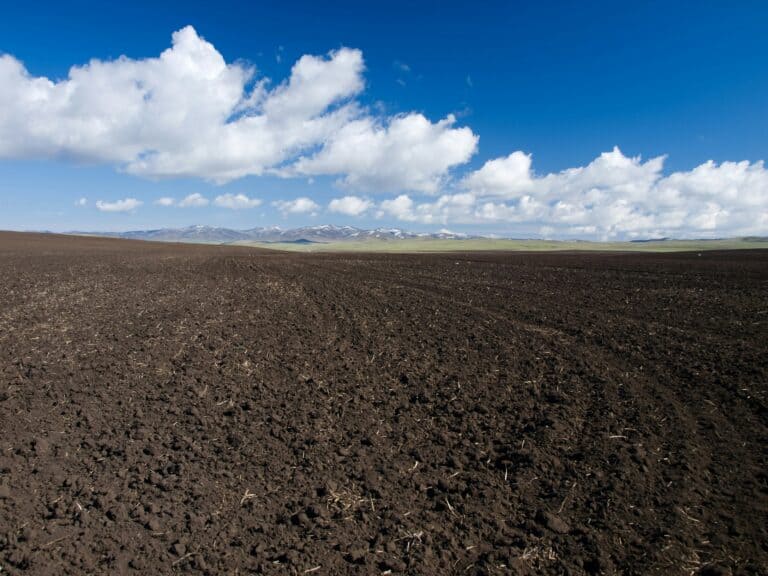
We watched the documentary Common Ground this week, and it stirred something old and true in me. Healthy soil is alive. It’s full of bacteria, fungi, enzymes—relationships working together over time. When soil is over-worked, stripped, and forced to produce, it can still grow things for a while… but the plants are weak, vulnerable, and the fruit lacks nourishment.
I think the soul works the same way.
Without love that is safe and lived—joy, peace, patience, kindness—we don’t stop producing. We just produce substitutes. We manage symptoms. We numb pain. We survive. And sometimes, the soil never gets the rest or care it needs to regenerate. My mom never got to feel what healthy soil feels like—dark, loose, alive in your hands. She only knew the hard-packed ground of performance and the dusty erosion of shame.
I’ve watched religion without grace over-plow so many souls. It demands output without tending life, forcing genetically-modified compliance from exhausted ground. But Jesus came to restore what was damaged, not extract performance from depleted soil.
What I know now—what I didn’t know then—is that Jesus is a Gardener. Gardeners tend. He doesn’t demand harvest from exhausted ground. He kneels down, works compost into hardened soil, and then—this is the part that undoes me—He plants a cover crop.
One of the most beautiful practices in restorative agriculture is the cover crop. It takes in what the sun provides and feeds the soil—the bacteria, the fungi, the enzymes that make life possible beneath the surface. The cover crop protects and nourishes before any harvest is expected.
I think that’s what it means to hide under the shadow of the Almighty, to rest under His wings. His presence becomes the cover crop for our souls—protecting, feeding, restoring the relationships beneath the surface—so we can actually thrive and offer nutritious fruit to the next generation. He brings truth that can be trusted because it’s embodied, not enforced.
I feel like my soul is finally reaping the benefits of restorative care—from the Gardener Himself. And somehow, in His mercy, what the enemy stole from my mom didn’t get the final word in my story.
My work now—my calling—is soil work. Helping parents tend their own souls with honesty and grace, so their children don’t have to grow in depleted ground.
Today I remember my mom—and the ground she tried so hard to tend with the only tools she had.
And I thank God for the slow, faithful restoration He’s been doing in me.
Grace grows things.
Even in January.
Even in grief.
Even now.
Together, there is great hope.”
It is my (Candy’s) prayer that God’s “cover crop” for our souls will bring restoration and healing to our relationships, first with Him and overflowing to all whom we are called to love.